Traceability. Recall Readiness. Operational Control.
Food & Beverage organizations operate under constant pressure. Compliance requirements evolve.
Production complexity increases. Traceability expectations intensify. When ERP architecture falls short, operational risk follows.
Food & Beverage organizations operate in one of the most regulated and operationally complex industries. Many believe they are recall-ready.
That confidence often remains untested until systems are placed under real scrutiny.
This page is for organizations that want structural confidence before incidents, audits, or recalls
force the issue.



In Food & Beverage, compliance is not theoretical. Failures rarely begin with intent. They begin with fragmentation.
Organizations often struggle with:
When ERP is fragmented, risk accumulates quietly. Response time slows precisely when speed and accuracy matter most.
Designed for leaders accountable for operational and regulatory outcomes:
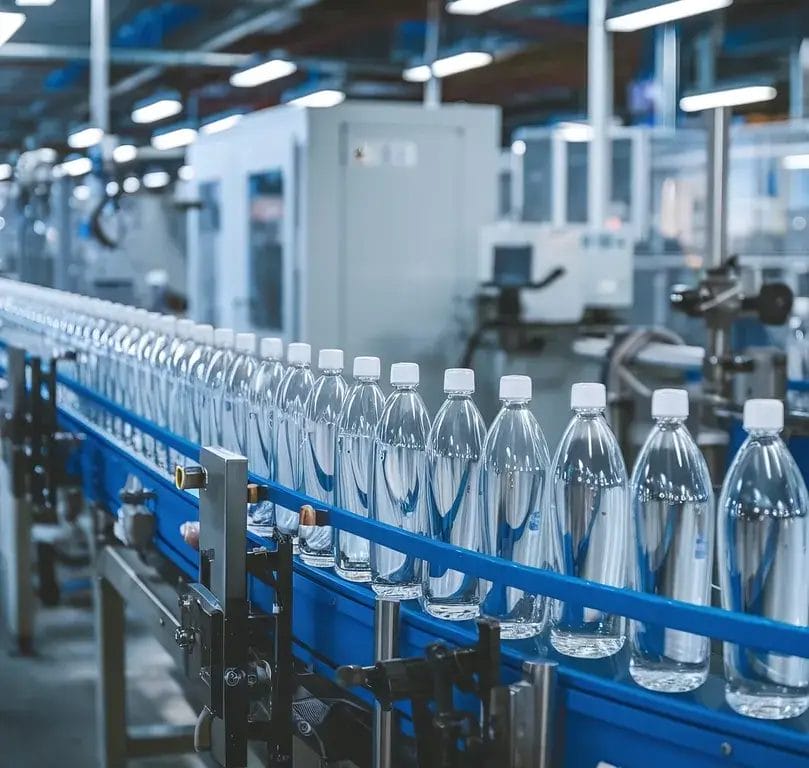
ERP determines whether traceability and recall readiness function under pressure.
A unified ERP backbone connects:
Without ERP as the system of record, traceability breaks when urgency increases.
Built on Microsoft Dynamics 365 and configured for Food & Beverage manufacturing, a modern ERP foundation connects operational control with regulatory accountability across plants and regions.
It supports global consistency while enabling local compliance execution.
Explore why recalls fail not because teams lack effort, but because systems are fragmented.
Supporting educational content designed to build context and trust.
Built for Global Standards and Local Regulations
A scalable ERP foundation must balance global governance with local regulatory execution.
Food & Beverage operations require more than generic ERP implementation.
AlfaPeople combines Microsoft platform expertise with industry configuration to ensure ERP strengthens operational control rather than adding complexity.
This is not a product demo.
It is a scenario-based walkthrough focused on:
Sales engagement begins with understanding your operational structure.
Yes. If speed, auditability, and regulatory defensibility matter, ERP must function as the system of record. Managing traceability outside ERP increases fragmentation, slows response time, and elevates compliance risk during recalls or audits.
When configured specifically for Food & Beverage, Microsoft Dynamics 365 supports batch and lot traceability, shelf life management, recall processes, quality workflows, and regulatory reporting within a unified cloud ERP platform.
ERP connects procurement, production, inventory, and quality records into a structured audit trail. This enables organizations to demonstrate backward and forward traceability quickly, accurately, and with defensible documentation.
Food manufacturing requires native support for batch tracking, expiration management, recall workflows, compliance documentation, and regulatory reporting. Generic ERP platforms often require significant industry configuration to meet these requirements.
Warning signs include manual lot reconciliation, traceability managed outside ERP, disconnected quality workflows, delayed audit preparation, and inconsistent regulatory reporting.
Últimas Postagens

Innovation at all levels: The most exciting Microsoft updates in March March 2026 impressively demonstrates how […]

Most Food & Beverage Companies Believe They’re Recall-Ready Until They Aren’t There is a common assumption […]

Understanding the true cost of an ERP system goes far beyond subscription fees. Organizations often underestimate […]

For many companies, the ERP system has quietly become a bottleneck. What once supported growth now […]